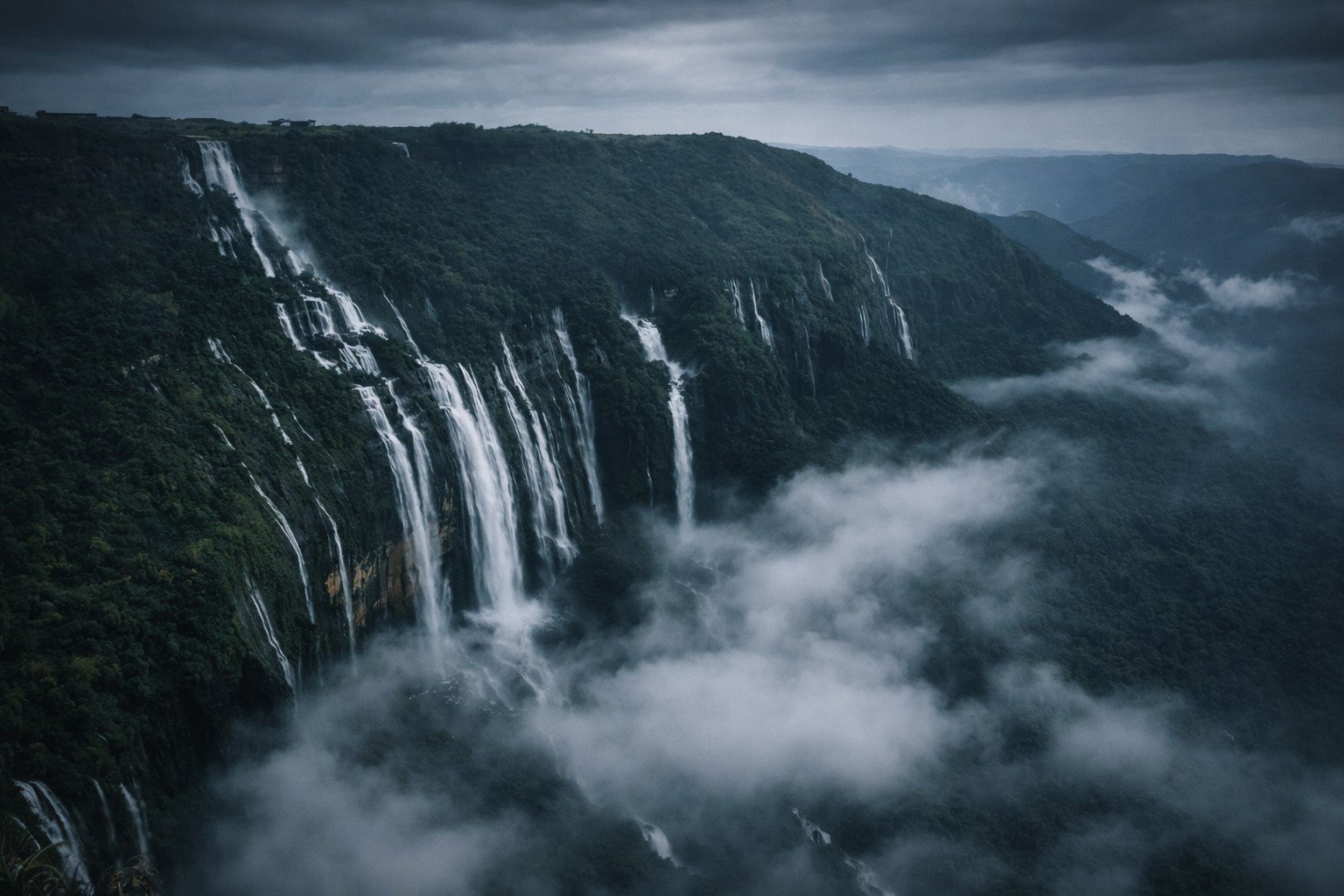
Meghalaya is one of the most misunderstood destinations in Northeast India. Most people have heard of Cherrapunji and the living root bridges. Many have seen photographs of the Umngot River at Dawki, with its water so clear the boats appear to float on air. But the way most tourists actually experience Meghalaya — a rushed weekend from Guwahati, ticking off the same three stops — barely scratches the surface.
This guide is for first-time visitors who want to actually understand the place — what to see, in what order, how much time you need, and where most itineraries get it wrong.
Quick answer: First-time Meghalaya trips work best as 6-8 day private tours from Guwahati covering Shillong, Cherrapunji, Dawki, Mawlynnong and the living root bridges. October to February is best for clear weather and Dawki clarity, while September is excellent for waterfalls and green landscapes.
Why Meghalaya Is the Ideal First Northeast India Trip
Of the four destinations Reify covers — Meghalaya, Arunachal Pradesh, Sikkim, and Northeast Combo tours — Meghalaya is the most accessible for a first trip. No Inner Line Permit is required. Altitude is not a concern. Road conditions are manageable. And the diversity of experiences packed into a relatively compact geography is remarkable.
You can walk down to a living root bridge in the morning, stand at the edge of a 300-metre waterfall by afternoon, and eat a clean, hot meal in Shillong by evening. It works for couples, families with children, senior travellers, and friend groups equally well.
How Many Days Do You Actually Need?
The honest answer is 6 to 8 days to do Meghalaya properly. A 5-day Meghalaya itinerary is possible but rushed — you'd stick to Shillong, Cherrapunji, and a single Dawki–Mawlynnong day, skipping the west. Anything under four is a highlights reel, not a trip.
Here's what a well-paced first trip typically covers:
- Days 1–2: Shillong — settle in, explore Police Bazaar, Ward's Lake, Don Bosco Museum, and the local food scene
- Day 3: Cherrapunji (Sohra) — Nohkalikai Falls, Mawsmai Cave, Seven Sisters Falls viewpoint
- Day 4: Nongriat — the living root bridge trek (this deserves a full day, not a rushed half-day)
- Day 5: Dawki and Mawlynnong — the river, the cleanest village, the sky walk at Mawlynnong
- Days 6–7: Meghalaya's west — Nongkhnum Island, Krang Suri waterfall, or the Garo Hills if time allows
The Living Root Bridges — What Nobody Tells You
The living root bridges of Meghalaya are extraordinary. The Umshiang double-decker root bridge near Nongriat is genuinely unlike anything else in India — a centuries-old structure grown from the aerial roots of rubber fig trees, tended by the Khasi people across generations.
What most itineraries don't tell you: the trek down to Nongriat involves roughly 3,000 steps each way, takes 45 minutes to an hour down and 90 minutes to two hours back up, and is genuinely strenuous. For senior travellers or families with young children, this needs honest assessment before committing.
There are also single-decker root bridges at Riwai (near Mawlynnong) and at Nongthymmai that are far more accessible and still impressive — worth including if the Nongriat trek isn't suitable for your group.
On the trek: Go early. The steps fill up by late morning. Wearing trekking shoes rather than sandals makes a significant difference on the wet stone steps, especially after rain.
Dawki — The Photograph vs. The Reality
The Umngot River at Dawki is real — the water genuinely is that clear. But photographs you'll see online were taken during winter months (December to February), when sediment levels are lowest and the water appears glass-like. In other seasons, the clarity is reduced but still striking.
The experience of being on the river by boat is worth it. But Dawki as a town offers little else — it's primarily a border crossing into Bangladesh. We recommend treating it as a half-day river experience and pairing it with Mawlynnong (15 km away) on the same day.
Shillong — More Than a Base
Most people use Shillong purely as a logistics base. That's a mistake. Shillong has genuine character — the music culture (it's sometimes called the rock music capital of India), the cafés, the Don Bosco Museum of Indigenous Cultures, and the local Khasi food scene are all worth your time.
Spend at least one full evening in the city rather than rushing back to the hotel after a day of sightseeing. Café Shillong, the stretch around Police Bazaar after dark, and the weekend markets give you a side of Northeast India that the waterfalls don't.
What to Skip on a First Trip
The Garo Hills (western Meghalaya) are beautiful and culturally distinct — but they're a 4–5 hour drive from Shillong and better suited to a return trip when you've seen the east. Balpakram National Park is remote and worth it only if wildlife is a specific priority. And the Jaintia Hills, while interesting, can be deferred without missing anything essential on a first visit.
Best Time to Visit Meghalaya
| Season | Months | Conditions |
|---|---|---|
| Best all-round | Oct – Feb | Cool, dry, clear skies; Dawki at its most transparent |
| Also excellent | Sep | Hills at their greenest and waterfalls at full force — one of the best months to visit |
| Warm shoulder | Mar – Jun | Warmer and hazier; pre-monsoon showers build the falls |
| Peak monsoon | Jul – Aug | The heaviest rain of the year — Meghalaya at its most dramatic, but travel with flexibility |
For a month-by-month breakdown across the whole region, see our best time to visit Northeast India guide.
Do You Need an Inner Line Permit for Meghalaya?
No — unlike Arunachal Pradesh, Meghalaya requires no Inner Line Permit for Indian citizens. You can enter and travel freely. (Arunachal is the neighbour that does require one; if your trip extends there, see our Arunachal ILP guide.) That said, the Dawki area on the Bangladesh border still calls for a standard photo ID — carrying your Aadhaar card is sufficient.
Hotels in popular areas like Nongriat and Cherrapunji fill up during peak season. If you're travelling between October and January, book accommodation at least 4–5 weeks in advance.
Quick Meghalaya FAQs
How many days are enough for Meghalaya?
Six to eight days is ideal for a first Meghalaya trip from Guwahati. It gives enough time for Shillong, Cherrapunji, Dawki, Mawlynnong and the living root bridges without turning the route into a checklist.
Is 5 days enough for Meghalaya?
Five days is possible, but it is a tighter version of the trip. You will usually cover Shillong, Cherrapunji and one Dawki-Mawlynnong day, with less room for west Meghalaya or a relaxed root bridge trek.
What is the best time to visit Meghalaya?
October to February is the best all-round window for cool weather and clearer Dawki water. September is also excellent if you want green hills and strong waterfalls after the monsoon.
Do you need ILP for Meghalaya?
No. Indian citizens do not need an Inner Line Permit for Meghalaya. Carry a government photo ID, especially around the Dawki border area.
Is Dawki worth visiting?
Yes, Dawki is worth visiting for the Umngot River boat experience, especially from October to February. Treat it as a half-day river stop and pair it with Mawlynnong rather than spending too much time in Dawki town.
Is the double-decker root bridge trek difficult?
Yes, it is strenuous. The Nongriat trek involves roughly 3,000 steps each way, so families with small children and senior travellers should decide carefully before adding it.
Ready to plan your Meghalaya trip?
Tell us your travel month, number of days and group details. We will suggest the most practical Meghalaya route, pace, hotels and private cab plan.
Thank you. Your Meghalaya enquiry is received.
Your details have been sent to our planning team. We will review your dates, route and traveller details before sharing the next step.